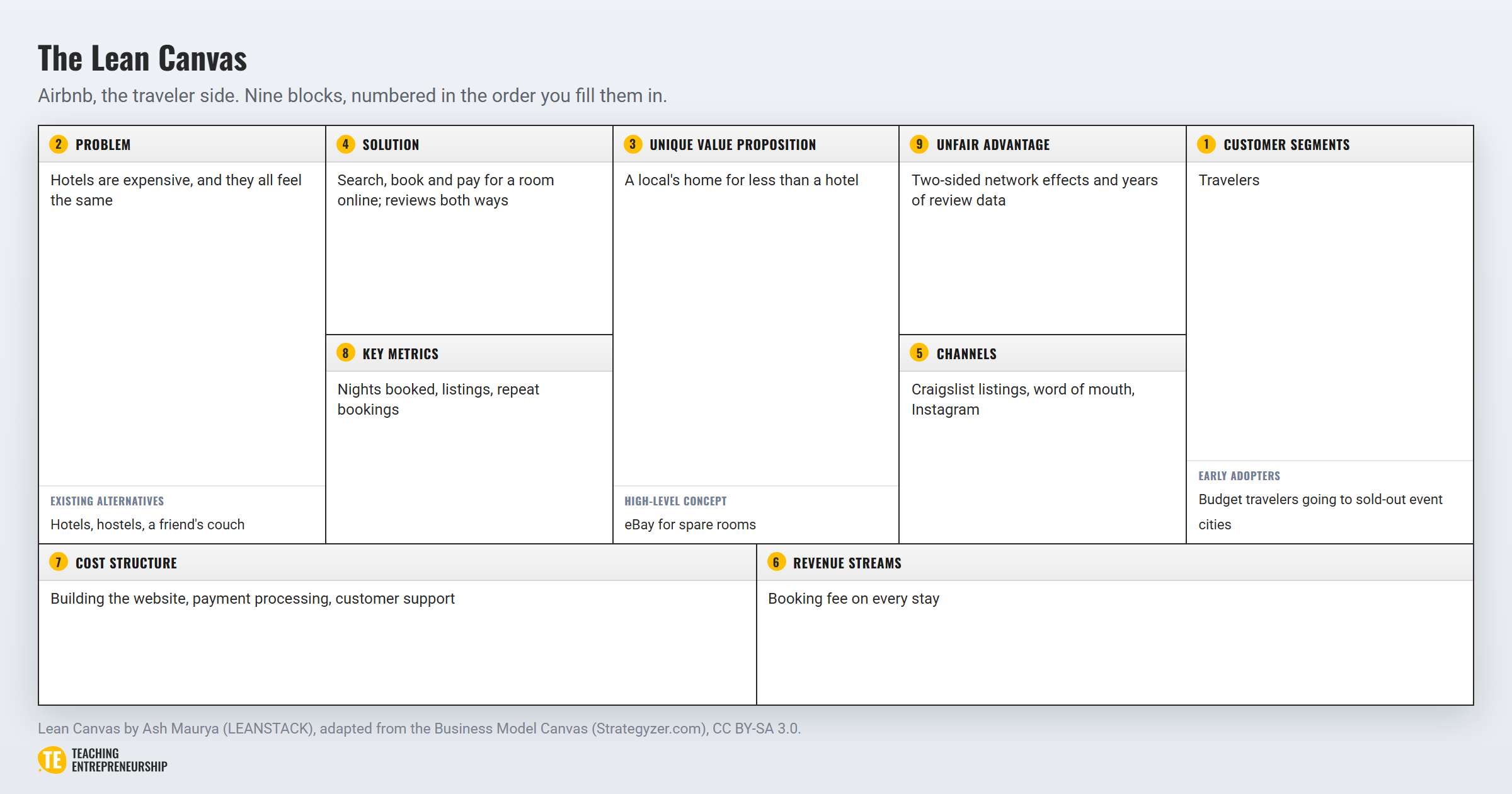
Last week we discussed the challenges of AI in academia. This week, we’re exploring the benefits of it, with a new lesson plan, “My ChatGPT Cofounder”! In this exercise, your students will explore…
Who is a better cofounder: a human, or ChatGPT?
In this lesson you’ll simultaneously:
- Demonstrate some of the amazing capabilities of ChatGPT to your students
- You’ll also give them an opportunity to demonstrate their understanding of the business model validation process
This is a powerful exercise to wrap up your term, in particular as a final project or exam.
Watch the video below for a demo:
The Demo
Get the “My ChatGPT Cofounder” Lesson Plan
We’ve created a detailed lesson plan for the exercise to walk you and your students through the process step-by-step.

It’s free for any/all entrepreneurship teachers. Please feel free to share it.
Coming Soon…
We will be sharing more engaging exercises like this one!
Subscribe here to get lesson plans delivered in your inbox.
Missed Our Recent Articles?
Whether you are new to our community of entrepreneurship educators, or you’ve been contributing for years, we wanted to give you a list of the posts our community finds most valuable:
- Videos to Improve Student Presentations. Here are videos to teach students to deliver presentations that make their audience feel something.
- The NEW Marshmallow Tower Challenge: This revised version of the Marshmallow Challenge is a really fun way to teach the importance of iteration, experimentation, and the value of failure.
- Marketing MVPs. In this experiential exercise, students launch real ad campaigns on Facebook and Instagram to test demand for their MVPs
- Top 5 Free Entrepreneurship Lesson Plans. Need to refresh your entrepreneurship lesson plans? Here’s our top 5.
Want 30+ more engaging exercises?