Steve Blank is one of the most influential people in modern entrepreneurship education, and he wants to answer your questions about teaching entrepreneurship.
In addition to being a successful (and more importantly failed) entrepreneur, Steve is the creator of customer development, an instructor at Stanford, UC Berkeley, NYU and Columbia, the developer of Lean Launchpad and helped popularize the Business Model Canvas. Steve has graciously agreed to speak with us, the TeachingEntrepreneurship.org community, about how he:
- Increases student engagement
- Helps students conduct high quality customer interviews
- Ditches the textbook and makes entrepreneurship classes real
- Sees the future of entrepreneurship education
Steve will be accepting the entrepreneurship education lifetime achievement award at this year’s USASBE conference and agreed to sit down for an interview with us about how to continue innovating the way we teach innovation and entrepreneurship.
Interview with Steve Blank
The Future of Real Entrepreneurship Education
Ask Steve anything about entrepreneurship education.
Click here to:
- Submit your entrepreneurship education question for Steve
- Get a free recording of the interview
- Get updates on a possible live stream of the interview
Who is Steve Blank?
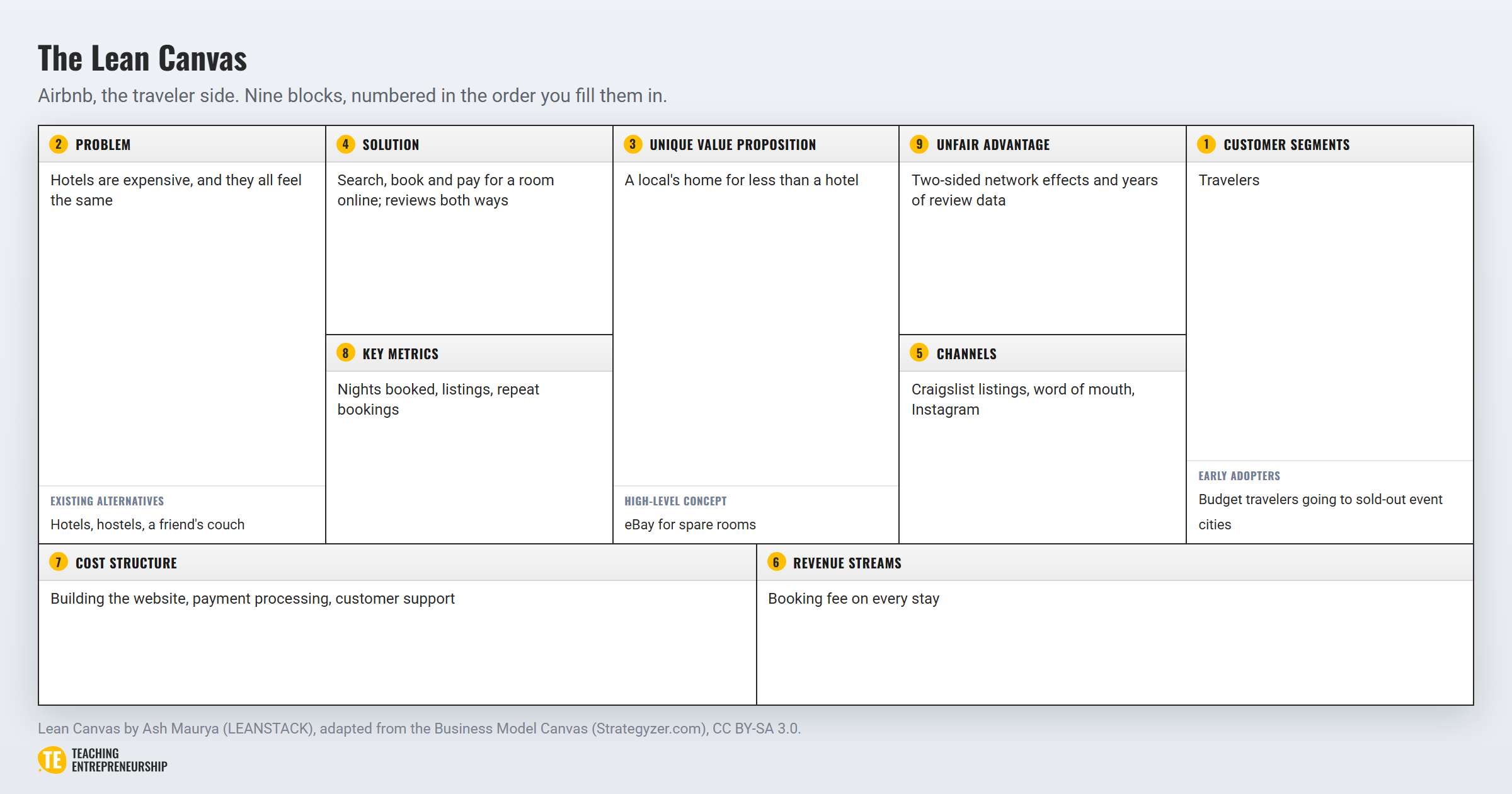
Even if you haven’t heard of Steve, you’ve probably heard of some of the tools he’s helped introduce to modern entrepreneurship education:
Steve is first and foremost an entrepreneur, both successful and failed. After his two major entrepreneurial failures, one dotcom home run, and several base hits, he retired from entrepreneurship and began teaching. As he codified what distinguished his entrepreneurial successes from his failures, he developed the process of customer development, which is now the bedrock of much of today’s entrepreneurship education.
Steve has taught customer development at Stanford, Columbia, NYU, and UC Berkeley, at one point teaching a young man named Eric Ries. Ries, inspired by Steve’s customer development framework, combined it with another tool that Steve popularized – Alexander Osterwalder’s Business Model Canvas – and agile software development to form the three pillars of what would become known as Lean Startup.
Customer development, the Business Model Canvas, and Lean Startup are all possible and/or popularized because of Steve, and have revolutionized the way entrepreneurship is executed and taught throughout the world.
We couldn’t be more excited to sit down with him and ask him your questions, as well as our own, about the future of entrepreneurship education.
Interview with Steve Blank
The Future of Real Entrepreneurship Education
Ask Steve anything about entrepreneurship education
For more on Steve check out his amazing blog or his manifesto on customer development, The Startup Owner’s Manual.
To see a fully experiential entrepreneurship curriculum inspired by Steve’s customer development methodology, check out ExEC.

Get our Next Free Lesson Plan
We email new experiential entrepreneurship lesson plans regularly.
Subscribe here to get our next lesson plan in your inbox!
Want 30+ more engaging exercises?